Logo for Western Swing Fan Page on Facebook (all rights reserved; image used by permission).
Official State Music of Texas
Western swing music was recognized as the official state music of Texas in 2011, thanks to efforts spearheaded by Paula Jungmann of Boerne, TX. Dr. Gary Hartman, director of the Music Department of Texas State University in San Marcos, also championed western swing music as a new Texas symbol (Texas State University is home to the Texas Western Swing Hall of Fame Collection). Dr. Hartman wrote to legislators explaining Western swing history and added his fervent support for adoption of this symbol. State Dances & Music Symbols
Origins of Western Swing Music
Western swing music was created by Milton Brown and made famous by Bob Wills. It is the first music genre indigeous to Texas. Western swing brought the steel guitar (by way of Hawaii) to country music - the steel guitar is one of the most distinctive and recognizable sounds in the genre. Western Swing also brought drums to the front of country music stages.
Following are excerpts from An introduction to Western Swing written by Paula Evone Jungmann:
The creators of this genre sought music that could compete with the big bands who controlled their music environment in the 1930's and 1940's: Tommy Dorsey, Duke Ellington, Count Basie, Glen Miller and others (hear some big band MP3 clips). In order for these country boys to compete they needed something fresh, yet still country to capture audience attention and also satisfy the more traditional established country market ... so the birth of Western Swing came. They took current tunes of the day, some old folk tunes, created some tunes of their own, wrote lyrics to instrumental pieces, added country, swing, blues, polka rhythms, and jazz to made an arrangement of music that just called dancers to the dance floors.
Adding horns, accordions, standup bass, pianos, banjos, steel and electric guitars, and drums to the ever present fiddle of country music ... well, now that was something new and so the craze began that spread throughout the south and southwestern parts of the United States. Lasting from the 1930's on through the 1970's with many regional and local bands performing from the cafes and stages of historic dance halls of Texas, New Mexico, Oklahoma and as far west as California.
Western swing music is infused with songs from many cultures. The Anglo-Saxon fiddle (or violin if you wish to call it), came to Texas from the British Isles; jazz, blues, and gospel from our African-American population; mariachi and conjunto from the Mexican people; the polka and waltz beat from our German and Czech ancestors; and the Cajun French Fiddle and accordion music from Louisiana. Perhaps because of it's multi-ethic origins, Texas Country music appeals to a wide variety of people from all generations, races and ethnic groups and is appreciated all over the world.
This music, at least in the beginning, wasn't called Western swing. Some called it hillbilly, or old-time music, novelty hot dance, hot string band, cowboy jazz, and even Texas swing. Many of these bands adamantly refused the "hillbilly" name. The bands that performed the music preferred simply Western Music.
Bob Wills (and others) thought the name "Western swing" was used for his music between 1939 and 1942 while his band was still in Tulsa, Oklahoma. There were ads in the newspapers in California that used the term "Western Swing Orchestra" for a night spot in April 1942. The first known use of the term in a national periodical was in Billboard Magazine on June 10, 1944 in connection with a write up about Spade Cooley. Some said that Spade coined the name as a play on Benny Goodman's reputation as the "King of Swing." After that the music once called Western became known as Western Swing.
Icons of Western Swing: Milton Brown & Bob Wills
The Father of Western Swing: Milton Brown was born in Stephensville, Texas on September 8, 1903. While selling tobacco and singing in an amateur band, he met and joined Bob Wills and Herman Amspiger and formed a group that later became known as The Light Crust Dough Boys. Together they began putting together the music that later became know as Western swing. This was the first true Western swing band in that it had a standup bass, jazz piano , tenor banjo and twin fiddles. Milton was injured and died from injuries as a result of an automobile accident in 1936.
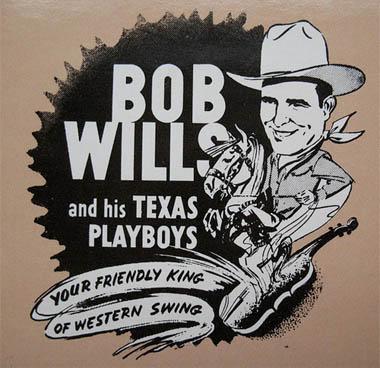
The King of Western Swing: James Robert Wills (Bob) was born March 6, 1905 in Kosse, Texas. He learned to play the fiddle at the age of 10. Young Jim-Bobs father and grandfather taught him to play American Folk Music. He later learned blues and jazz from his black playmates who sang it in the cotton fields of Texas. He played the fiddle with the sound of blues and the swing of jazz.
After Milton's death Bob kept the music going and he with pianist and vocalist Thomas (Tommy) Elmer Duncan put together The Texas Playboys and continued adding new concepts to the genre carrying it to national attention.
Youth Involved in Western Swing Music
There is a movement to get more youth involved in Western Swing performance, with the Bob Wills Swing School launched in July 2010 sponsored by the Bob Wills Foundation. Its aim is bringing more talented youth to the genre. Many bands such as Leon Rausch and The Texas Playboys, Billy Mata and the Texas Tradition's, Richard Helsley , and Bobby Flores and the Yellow Rose Band invite young talented musicians to join them on stage during performances.
Senate Concurrent Resolution
WHEREAS, The State of Texas has traditionally recognized a variety of official state symbols as tangible representations of the proud spirit and heritage of our state; and
WHEREAS, In the field of music, Texas has nurtured important developments in a variety of genres, but of the many styles that have thrived here, one is particularly emblematic of our state's unique character: western swing; and
WHEREAS, A lively sound that has enjoyed enduring popularity over the course of nearly a century, western swing reflects the ethnic diversity of Texas by encompassing many of the musical traditions that were introduced to the state by the groups that settled here; and
WHEREAS, The genre, also known by the fitting name of Texas swing, traces its origins to the 1920s and is rooted in the fiddle music of Anglo, Irish, and Scottish immigrants; it borrows heavily from many other sources, however, including such African American influences as blues and jazz, the Hispanic genres of conjunto and mariachi, and the polkas, waltzes, and schottisches brought to Texas by German and Czech settlers; and
WHEREAS, Though western swing has become popular throughout the Southwest and beyond, its origins are firmly tied to the Lone Star State; growing out of the music that was played in the state's small-town dance halls, the style became better known through the work of Texans Milton Brown and Bob Wills, two of the most famous and influential swing artists of all time; these pioneers formed the Light Crust Doughboys in the Fort Worth area in the early 1930s and then went on to even greater fame while leading individual bands of their own; and
WHEREAS, A key to the appeal of this spirited music is its exceptional ability to get people dancing; this quality, too, is evocative of Texas, a state in which dance halls have historically been central to the social life of its communities; today, the foot-tapping tempo of western swing continues to be heard all across our state, with countless Texans repeating the time-honored steps that have been kicking up sawdust on Texas dance floors for generations; and
WHEREAS, Born and bred in Texas, western swing is a musical melting pot that represents the diverse groups that have contributed to the growth and prosperity of our state and the distinctive way of life that has flourished here, and it is indeed a fitting symbol for the rich cultural heritage that is shared by all Texans; now, therefore, be it
RESOLVED, That the 82nd Legislature of the State of Texas hereby designate western swing as the official State Music of Texas.
CONTRIBUTORS: Content for this article was submitted by Paula Evone Jungmann