


New Jersey’s nickname sounds like a postcard promise: green, productive, and a little bit surprising for anyone who only knows the state from highways, skylines, or pop-culture shorthand. The “Garden State” label is often linked to a famous 1876 speech credited to Abraham Browning, delivered during the Philadelphia Centennial exhibition on New Jersey Day (August 24, 1876). At the same time, reputable historical summaries point out that the idea behind the nickname also fits New Jersey’s older reputation for fertile land and agricultural output, even as the state became increasingly urbanized.
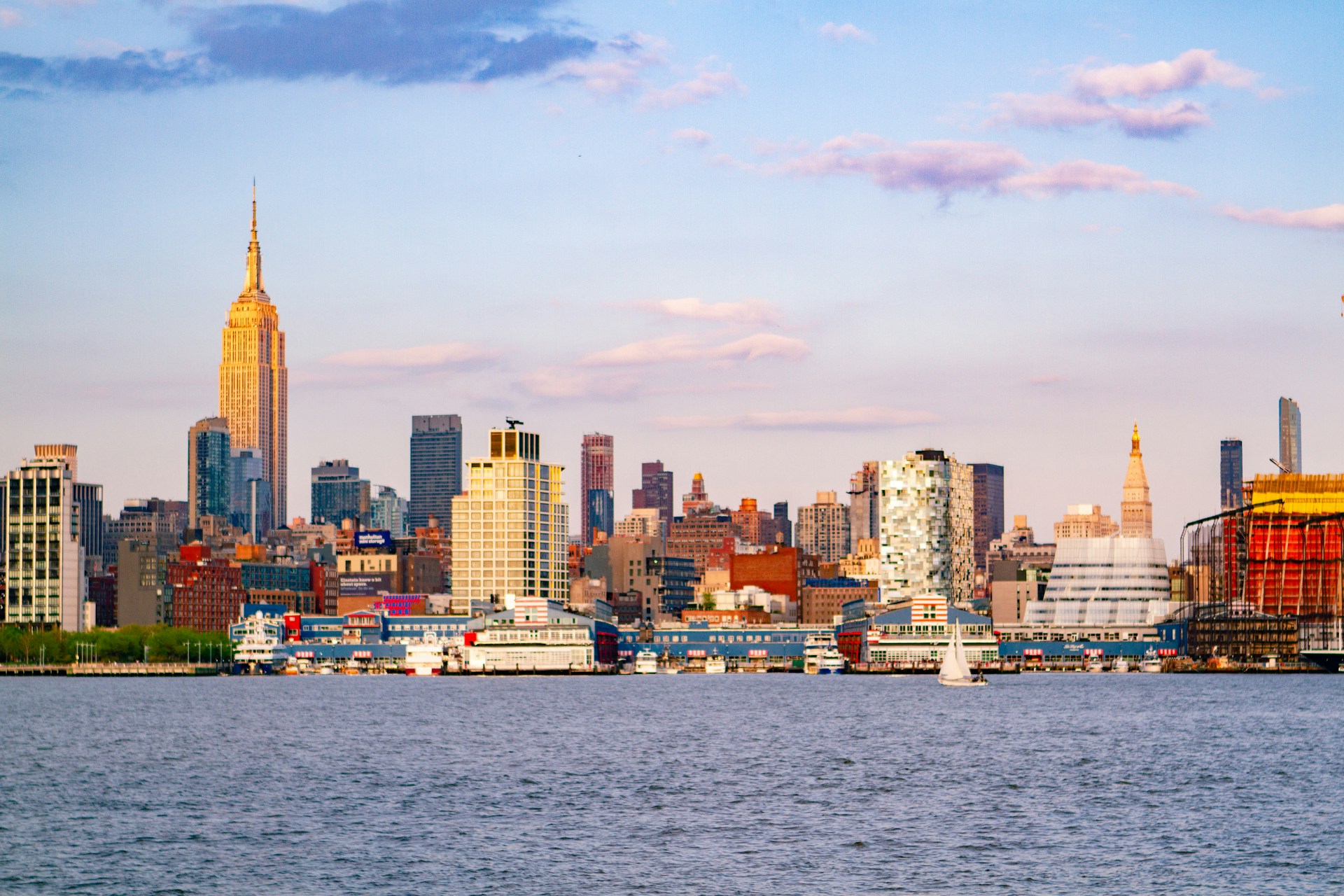
Photo by Manisha Raghunath on Unsplash
The most interesting part is how New Jersey’s official symbols connect these two truths: a densely developed corridor state that still markets (and lives) a very real landscape of farms, forests, wetlands, and shore towns. The symbols aren’t trivia; they’re a quick guide to what the state protects, grows, celebrates, and wants visitors to remember.
First Impressions: The Symbols You Spot Before You Reach A Farm
New Jersey’s official symbols are unusually “visible” in everyday life. The eastern goldfinch (state bird) is hard to miss once you start noticing bright flashes of yellow in backyards, parks, and field edges. The violet (state flower) is modest, but it fits the state’s theme: resilient color in places people don’t always expect it. Even the honey bee—New Jersey’s state bug—tells a bigger story: pollination, orchards, berries, and the practical side of ecology that supports the Garden State idea.
These symbols also act like a “welcome sign” for newcomers. If you’re thinking of moving, it’s not unusual to start by browsing community-by-community guides and local listing hubs to understand what daily life looks like beyond the stereotypes— what would be a practical starting point for that kind of orientation. And once you do, you’ll notice how often the state’s identity revolves around access: quick trips to beaches, forests, historic towns, and farm stands—sometimes all in the same weekend.
If you want a single symbol that captures the Garden State brand in a way visitors instantly recognize, it may be the blueberry. New Jersey doesn’t just grow blueberries; it helped make commercial highbush blueberry cultivation famous, and the fruit was designated as the official state fruit. That’s the kind of detail that makes a visitor reframe the state: not just “near New York,” but a place with its own agricultural story.
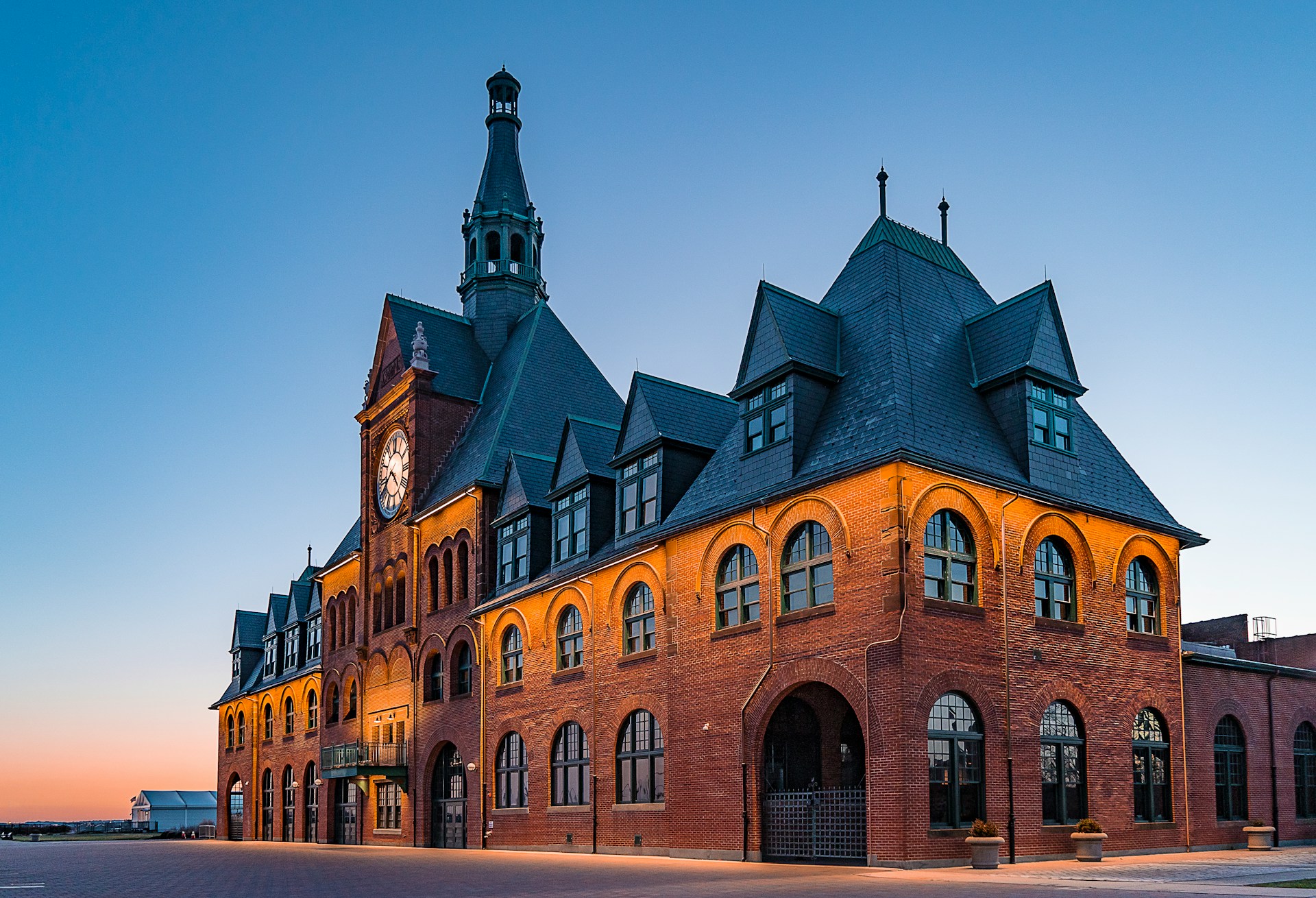
Photo by Matt Nelson on Unsplash
Agriculture Isn’t Background: It’s A Major, Measured Part Of The State
New Jersey agriculture is not a nostalgic footnote—it shows up in hard numbers. The state’s Department of Agriculture, summarizing the 2022 Census of Agriculture, reported that overall agricultural products sold increased from just over $1.1 billion (2017) to almost $1.5 billion (2022). That same summary highlights the nursery/greenhouse/floriculture/sod sector as the leading category, with sales near $725 million. In other words: the Garden State grows food, but it also “grows landscapes”—plants and materials that shape yards, parks, and streetscapes across the region.
The headline crops most people associate with New Jersey still matter, too. USDA’s New Jersey blueberry statistics for 2023 put the total value of the blueberry crop at $92.1 million, with 10,800 harvested acres and utilized production of 50.2 million pounds. Cranberries are another signature product, and USDA’s 2023 cranberry summary reported 580,000 barrels harvested and a total crop value of $20.0 million.
This is where symbols become more than branding. When a state chooses blueberry as an official symbol, that choice lines up with measurable output and a legacy of cultivation. When it chooses the honey bee, it underlines the pollinator role that supports farms and gardens alike. The “Garden State” isn’t just a nickname you see on license plates; it’s an economic and ecological identity that keeps showing up in data.
What Travel Guides Highlight: Shore, Forest, And "Unexpected New Jersey"
Visitor-facing tourism material tends to emphasize variety: beaches and boardwalks, outdoor adventures, historic districts, and small-town charm. That mix is one reason New Jersey can surprise first-timers. A single trip can include Victorian architecture in Cape May, a classic boardwalk, and then a drive inland to trails and quiet forests.
Two landscapes show up again and again because they’re so “immediate” to newcomers:
- The Jersey Shore and boardwalk culture. Atlantic City’s boardwalk is widely described as iconic, and it has a deep history—often cited as the nation’s first boardwalk (1870). In practical terms, boardwalks are the kind of place where visitors absorb state identity quickly: food, music, local businesses, and the simple fact of being right on the Atlantic.
- The Pinelands (Pine Barrens). Travel and environmental sources highlight the Pinelands as a defining “another side of New Jersey,” featuring trails, waterways, and historic sites. The Pinelands National Reserve is also frequently described at about 1.1 million acres, making it a major conservation landscape within the state.
Together, the shore and the Pinelands explain why the Garden State label sticks: New Jersey’s identity isn’t one place—it’s the fast switching between coastal, suburban, and rural or semi-wild spaces, often within short driving distances.

Photo by Jonathan Roger on Unsplash
Why The Garden State Label Still Works
New Jersey’s symbols do what good symbols should: they compress a complicated place into a set of memorable anchors. A goldfinch and a violet pull you toward the backyard-scale nature people live with. A honey bee points to pollination and the working ecology behind farms and gardens. A blueberry (and even cranberry juice as an official drink in many symbol lists) points to real crops with real value. And the tourism narrative—shore, lighthouses, trails, and Pinelands gateways—shows how visitors are invited to experience those identities quickly.
So what do visitors “notice first”? Often, it’s not one thing. It’s the contrast: coast to forest, city edges to farm stands, and a set of official symbols that—once you know them—start appearing everywhere you look.