


Is America actually unhealthy? In many ways, yes, at least compared to what people might expect from one of the wealthiest countries in the world.
Life expectancy in the US is 79.0 years, while in other countries this expectancy is 82.7 years [1]. Although the US invests billions into healthcare, its level of avoidable deaths is one of the highest in the world.
What is it that influences our health as Americans? In this article, we'll answer what health influences decrease health quality in the US, what factors impact health in general, and what you can do to improve your health.
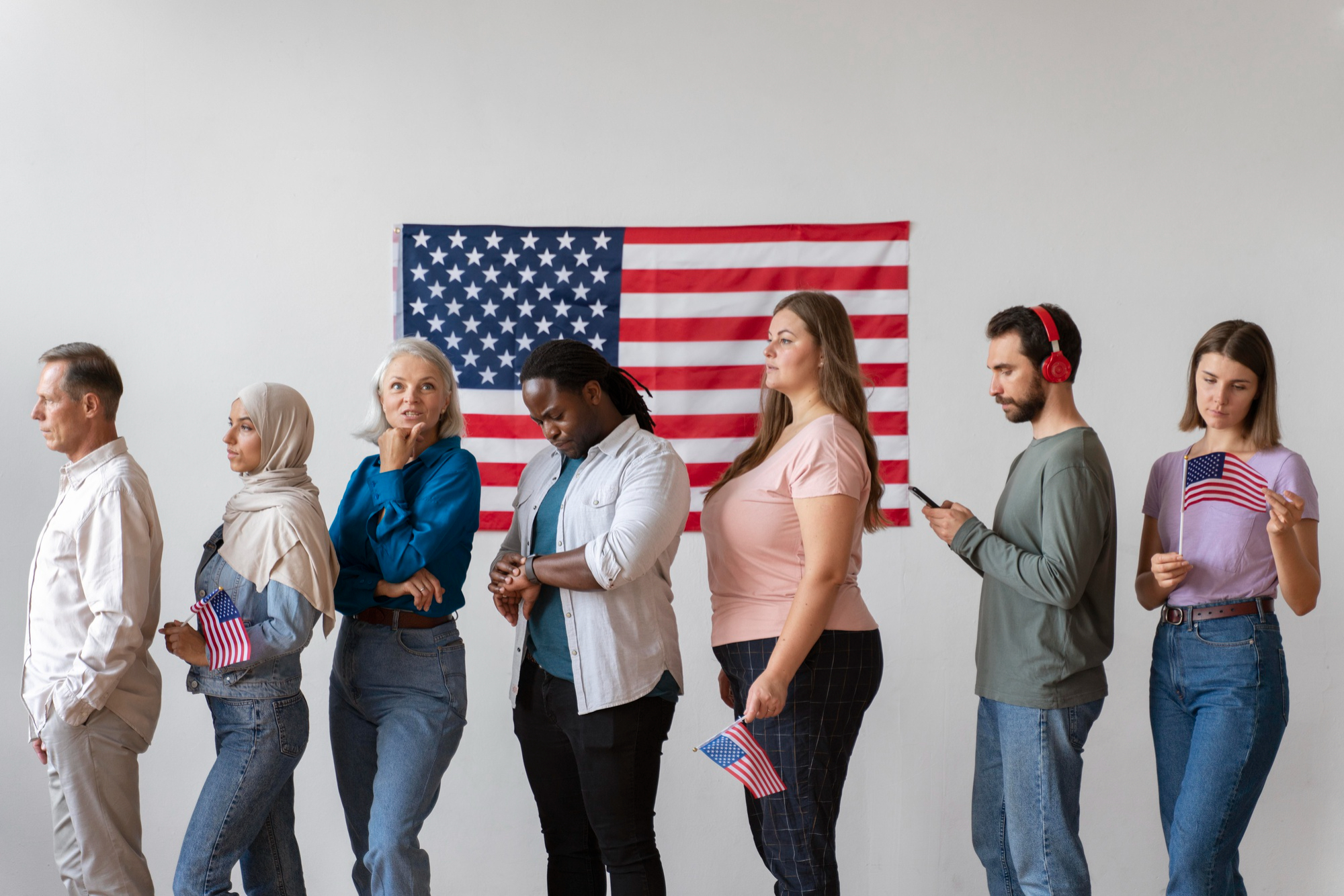
Why Is America So Unhealthy? 5 Health Influences
We must start by acknowledging that America is not completely incompetent in health care. Some of the best health research, clinics, and doctors are in the US.
Average Americans also make their contributions: 58% of American adults engage in wellness activities at least a few times a week, which is much higher than in European countries like the UK [2].
Health outcomes in America are shaped not only by behavior or technological advances but also by the system and ideology in general. You can read about this below.
1. Mental Health Crisis
Approximately 20% of Americans have a diagnosed mental health condition. 46% of Americans will meet the criteria for a diagnosable mental health condition sometime in their life [3].
Rates of undiagnosed anxiety, depression, burnout, loneliness, and emotional exhaustion are soaring, especially among younger generations and working adults.
These emotional states eventually contribute to physical problems:
- sleep disturbances
- weakened immune system
- emotional eating
- cardiovascular issues
- substance use and addiction
On average, Americans spend 7 hours on their devices, and this use is correlated with the worsening of a mental health crisis. Platforms like Breeze Self-Discovery offer simple, evidence-based techniques that take no more than 10 minutes. The perk of Breeze is that they also have a community of those who want to become more self-aware.
Why is this important? Because one study found that Americans are, on average, lonelier than Europeans due to weaker social/family ties, sedentary living, and the impact of technology [4].
2. Obesity and Food Environment
Putting aside stereotypes about obesity in the US, it really becomes an alarming issue. In 2024, 23 states had >35% of individuals living with obesity [5].
The problem of obesity is systemic and rarely lies with the individual. America's food environment makes healthy eating difficult for many people. Ultra-processed foods are usually:
- cheaper
- better marketed
- highly addictive
- easier to access
Fast food, oversized portions, sugary drinks, and convenience meals have become a part of everyday culture. But why do people choose them over healthier alternatives? There are many reasons:
- Long work hours and exhausting schedules reduce the time and energy needed for cooking balanced meals at home.
- Healthy eating requires money and access to fresh food.
- Food companies use legislative loopholes to promote potentially hazardous problems.
- Governmental food stamps don't cover fresh produce or healthier food choices.
Poor nutrition eventually contributes to diabetes, heart disease, inflammation, lower energy levels, and chronic health conditions. These conditions lower America's stance in a ranking of the healthiest countries.
3. Problems in the Healthcare System
Despite having some of the world's most advanced medical technologies, the American healthcare system remains difficult to access for many people.
As a result, many Americans:
- delay doctor visits
- skip preventive screenings
- avoid treatment because of costs
- struggle to afford prescriptions
- become dependent on antidepressants/painkillers
Around 41% of Americans report having medical or dental debts. No matter whether an individual is insured or uninsured, they'll find it difficult to afford medical help [6].
The preventive care is even less accessible. Because of this, health problems are harder and more expensive to address.
4. Systematic Inequality
People who have a lifestyle disadvantageous for well-being rarely choose this lifestyle. Income, education, discrimination, neighborhood safety, early upbringing, they all give a start in life that defines health.
People facing inequality (financial, educational, racial, etc.) are more likely to experience:
- chronic stress
- poor sleep
- limited healthcare access
- lower-quality nutrition
- unsafe living conditions
Racial minorities are 2 times more likely to experience chronic diseases than White Americans [7]. Discriminated groups also more often experience gunshot injuries due to living in more dangerous neighborhoods.
This is why health cannot be separated from social structure. In many cases, "unhealthy" individuals, at first sight, survive as best they can due to limited access to resources.
5. Sedentary Lifestyle
Hustle culture in offices involves sitting for long hours. After-work recreation became limited to Netflix and social media surfing. That's the life of an average American.
As always, a sedentary lifestyle isn't always a personal preference but rather a way to survive. Several factors contribute to the increasing spread of sedentary lifestyles:
- remote work
- long commutes
- excessive screen time
- lack of walkable cities
- reduced outdoor activity
Physical activity is important for physical health and feeling well. But it's also not less important for emotional regulation and stress management. Movement helps regulate mood, improve sleep, and support cognitive functioning.
What Else Influences Your Health?
Your well-being develops through the interaction of numerous factors. An average American lifestyle is just a part of these factors. Here are some of the biggest health influences:
- Biological factors
- genetics
- age
- sex
- hormones
- inherited conditions
- chronic illnesses
- disability status
- reproductive and sexual health
- aging
- Behavior and lifestyle
- nutrition
- physical activity
- sleep quality
- smoking, alcohol, or drug use
- stress management
- coping skills
- technology habits
- access to recreation
- medication intake
- Mental and emotional factors
- mental health conditions
- trauma
- adverse childhood experiences
- sense of purpose
- spirituality
- Social and family influences
- family relationships
- social support
- peer pressure
- community belonging
- cultural expectations
- migration experiences
- loneliness
- Economic and educational factors
- income
- employment
- job security
- education
- literacy
- poverty
- work-life balance
- economic inequality
- Healthcare access
- insurance coverage
- healthcare quality
- preventive care
- medication access
- public health services.
- Environment and place
- housing quality
- neighborhood safety
- transportation
- pollution
- clean water and air
- food access
- urban planning
- sleep environment
- Policy and society
- discrimination
- racism
- sexism
- violence exposure
- occupational hazards
- social policies
In other words, health is not determined by one choice. It's shaped by the conditions people live in every day.
Some factors, such as biological or political ones, cannot be changed (at least immediately). It's not a sign to give up on your health. Instead, focus on factors within your control.
Sources
- How Does U.S. Life Expectancy Compare to Other Countries? KFF. March 2026.
- How wellness looks across the US and UK: Similar goals, different habits. YouGov. September 2025.
- Quick Facts and Statistics About Mental Health. Mental Health America. 2026.
- Loneliness in midlife: Historical increases and elevated levels in the United States compared with Europe. American Psychologist. August 2025.
- New CDC Data Show Adult Obesity Prevalence Remains High. CDC. September 2024.
- Americans’ Challenges with Health Care Costs. KFF. April 2026.
- Racial/Ethnic Disparities in Chronic Diseases of Youths and Access to Health Care in the United States. BioMed Research International. September 2013.