


America's state parks offer remarkable opportunities to discover landscapes, wildlife, and outdoor experiences that often receive less attention than the country's famous national parks. From dramatic coastlines and ancient forests to desert formations and peaceful lakes, these protected areas showcase the extraordinary diversity of the American landscape.
Unlike destinations built primarily around major tourist attractions, state parks frequently encourage visitors to slow down and appreciate their surroundings. Hiking trails, scenic viewpoints, historic sites, and recreational facilities create opportunities for travelers with different interests and experience levels.
Many parks also provide accessible ways for families to enjoy nature without undertaking demanding expeditions or traveling considerable distances.
Understanding what makes these destinations special can help visitors plan rewarding trips while developing a greater appreciation for America's natural heritage and the importance of preserving outdoor spaces for future generations.
Discovering Peaceful Forests and Woodland Retreats
Forests are among the most inviting features of many American state parks, offering shaded trails, remarkable biodiversity, and opportunities to escape busy urban environments.
Places such as New York's Letchworth State Park demonstrate how woodland landscapes can combine dramatic scenery with peaceful recreational areas. Visitors can explore trails, admire waterfalls, and enjoy scenic overlooks throughout the park.
For families returning from woodland adventures, maintaining a welcoming home environment can complement the experience of spending time outdoors. Products from Azuna offer an approach to managing household odors, helping outdoor enthusiasts refresh their living spaces after busy days of hiking and exploration.
Woodland trips also provide opportunities to introduce children to wildlife observation and environmental awareness.
Learning to recognize native trees, listening for birds, and following marked nature trails can transform an ordinary walk into an enjoyable educational experience.
Exploring Mountain Landscapes and Scenic Overlooks
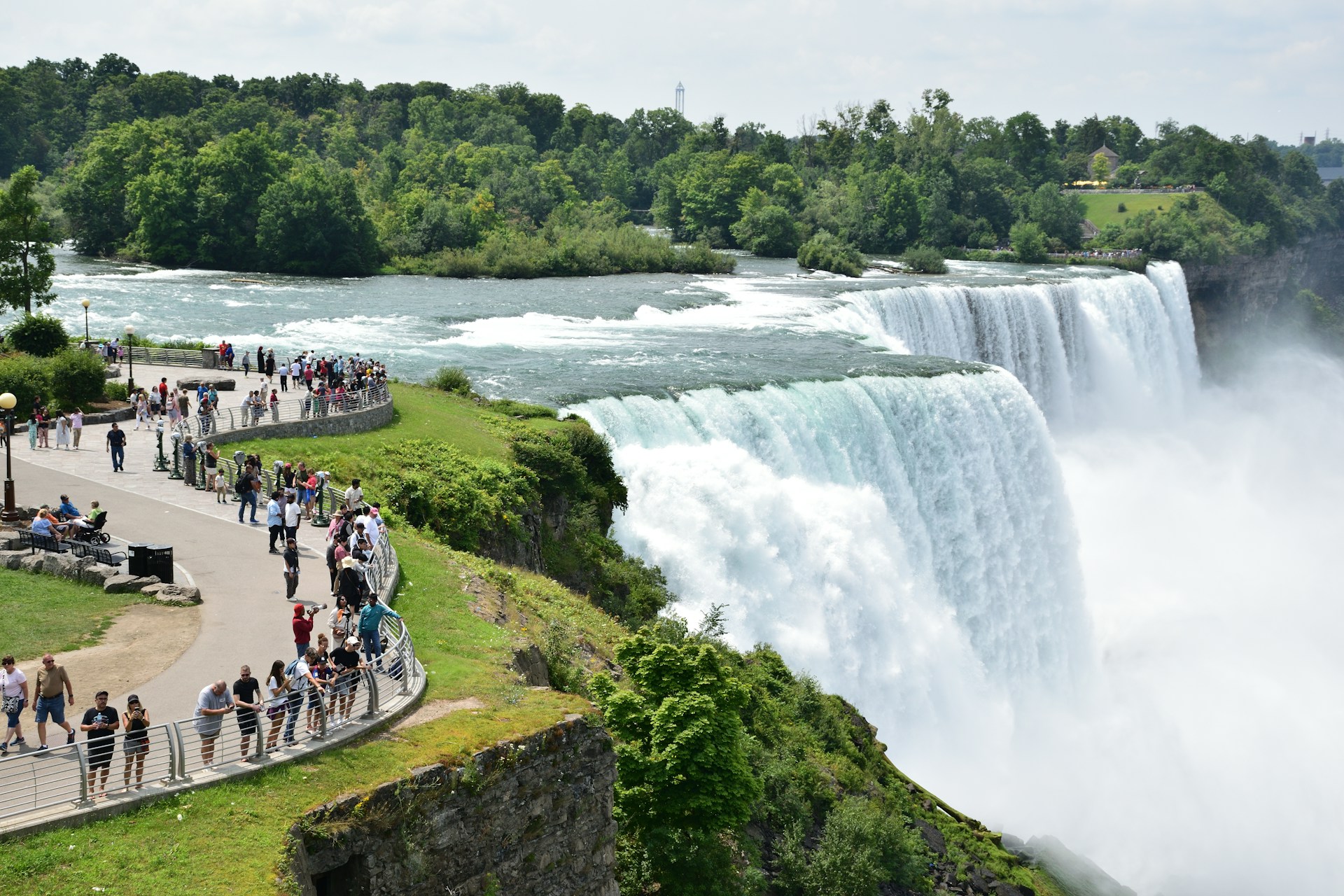
Photo by reza hoque on Unsplash
Mountainous state parks attract visitors interested in expansive views, challenging trails, and distinctive geological formations.
West Virginia's Blackwater Falls State Park, for example, is known for its impressive waterfall, forested surroundings, and scenic opportunities throughout the changing seasons.
After mountain excursions, some travelers enjoy extending their relaxation through wellness activities. A spacious 8 person sauna can become an inviting feature of a private retreat or vacation property, providing a shared setting for relaxation and conversation after outdoor adventures.
Mountain destinations also reward travelers who appreciate quieter experiences. Scenic drives and accessible viewpoints can offer memorable encounters with nature without requiring strenuous hiking.
Because weather conditions may change quickly at higher elevations, appropriate clothing and advance preparation remain important.
Checking trail conditions and park information helps visitors select routes suited to their experience.
Experiencing America's Remarkable Coastal State Parks
Photo by reza hoque on Unsplash
Coastal state parks showcase another side of America's geographical diversity, combining beaches, cliffs, wetlands, and fascinating marine environments.
Oregon's Ecola State Park provides dramatic views of the Pacific coastline, with forested headlands and scenic viewpoints overlooking the ocean.
Visitors can appreciate the changing appearance of the coastline throughout the day as sunlight, clouds, and ocean conditions transform the scenery.
Coastal environments also create opportunities to observe seabirds, explore designated walking trails, and learn about marine ecosystems.
Families may prefer accessible beach areas, while photography enthusiasts often seek elevated viewpoints.
Respecting protected habitats and observing local safety guidance helps preserve these environments.
With suitable planning, coastal state parks can provide enjoyable alternatives to crowded seaside tourist destinations.
Discovering Desert Formations and Geological Wonders
America's desert state parks reveal landscapes shaped by geological processes over millions of years.
Valley of Fire State Park in Nevada is particularly notable for its red sandstone formations, striking rock patterns, and desert scenery.
The contrast between colorful rock formations and open skies makes these locations especially attractive to photographers and nature enthusiasts.
Desert parks also introduce visitors to plants and animals adapted to challenging environmental conditions.
Interpretive trails and visitor information can explain how geological formations developed and how desert ecosystems function.
However, desert exploration requires careful preparation because temperatures and access to water may differ considerably from familiar hiking environments.
Carrying adequate drinking water, selecting suitable walking routes, and avoiding excessive heat can make visits more comfortable.
These precautions allow travelers to appreciate the extraordinary beauty of desert landscapes responsibly.
Enjoying Lakes, Waterfalls, and Freshwater Recreation
Freshwater attractions form an important part of many state park experiences, offering opportunities for boating, fishing, swimming, and peaceful nature observation.
Watkins Glen State Park in New York is famous for its dramatic gorge, where walking trails reveal waterfalls and impressive rock formations.
Other parks feature expansive lakes that attract families interested in kayaking, paddleboarding, or simply enjoying scenic picnic areas.
Waterfront destinations can be particularly appealing during warmer months, when visitors appreciate opportunities to combine outdoor activity with relaxation.
Before participating in water-based recreation, travelers should check designated swimming areas, equipment requirements, and local safety information.
Observing wildlife from a respectful distance also helps protect freshwater habitats.
Whether exploring waterfalls or spending an afternoon beside a quiet lake, these settings demonstrate the variety available within America's state park system.
Planning State Park Adventures That Respect Nature
Visiting state parks involves more than choosing an attractive destination. Thoughtful preparation helps travelers enjoy outdoor experiences while supporting conservation efforts.
Checking official park websites provides useful information about admission requirements, seasonal access, trail closures, and available facilities.
Visitors should also consider their physical abilities when selecting recreational activities and allow enough time to appreciate their surroundings.
Remaining on designated trails, disposing of waste properly, and respecting wildlife help protect sensitive habitats.
Exploring lesser-known parks can also introduce travelers to landscapes they might otherwise overlook.
Ultimately, America's state parks offer something for nearly every outdoor enthusiast. Their forests, mountains, deserts, coastlines, and freshwater environments create countless opportunities for discovery.
By approaching these destinations with curiosity and respect, visitors can enjoy meaningful adventures while helping preserve the natural attractions that make each park unique.